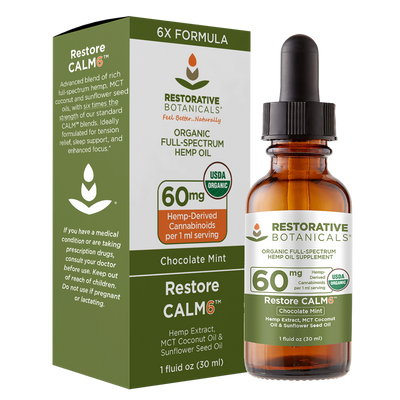
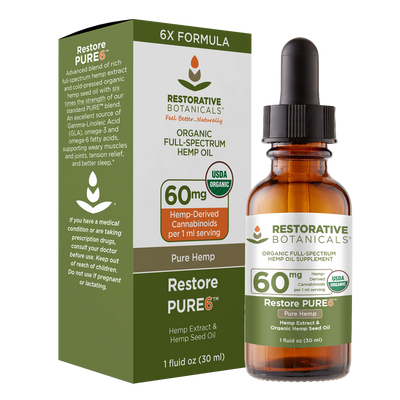
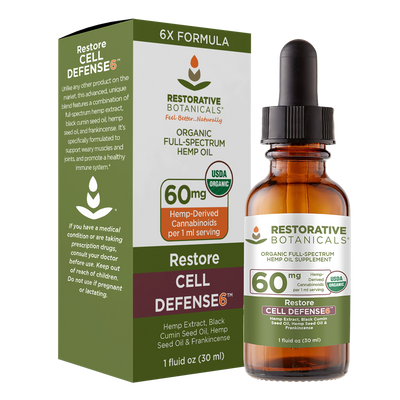
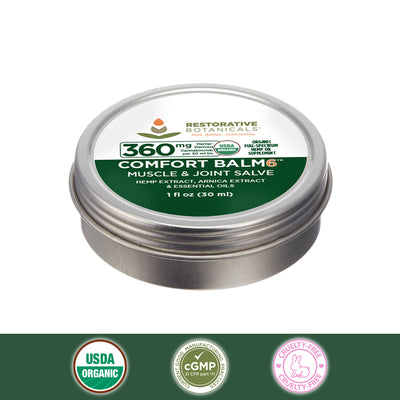
Welcome, Practitioners
About CBD
Cannabidiol (CBD) is a non-intoxicating phytocannabinoid derived from Cannabis sativa that interacts with the endocannabinoid system (ECS)—a regulatory network involved in maintaining homeostasis across multiple physiological systems, including mood, sleep, immune function, and pain signaling.
The ECS primarily consists of endogenous ligands (endocannabinoids), receptors (CB1 and CB2), and enzymes responsible for synthesis and degradation. CBD does not bind directly to CB1 or CB2 receptors with high affinity but instead exerts modulatory effects through indirect pathways, including enzyme inhibition, receptor signaling modulation, and interaction with non-cannabinoid receptor systems (e.g., TRPV1, 5-HT1A).
Preclinical and emerging clinical research suggest CBD may support:
- Neurological balance and stress response
- Healthy inflammatory signaling
- Sleep quality and recovery
- General homeostatic regulation
Unlike Δ9-tetrahydrocannabinol (THC), CBD is non-psychoactive and does not produce euphoric effects. Products are typically formulated using hemp-derived CBD to comply with federal regulations (<0.3% THC), though clinicians should be aware of variability in product quality, bioavailability, and labeling accuracy across the market.
For clinical use, considerations include:
- Delivery format and bioavailability (oral, sublingual, topical)
- Third-party testing for potency, residual solvents, pesticides, and heavy metals
- Potential drug–nutrient interactions (notably via cytochrome P450 pathways)
- Patient-specific factors including comorbidities and concurrent medications
CBD may be incorporated into a broader wellness or integrative care strategy when used thoughtfully and in conjunction with clinical judgment.